

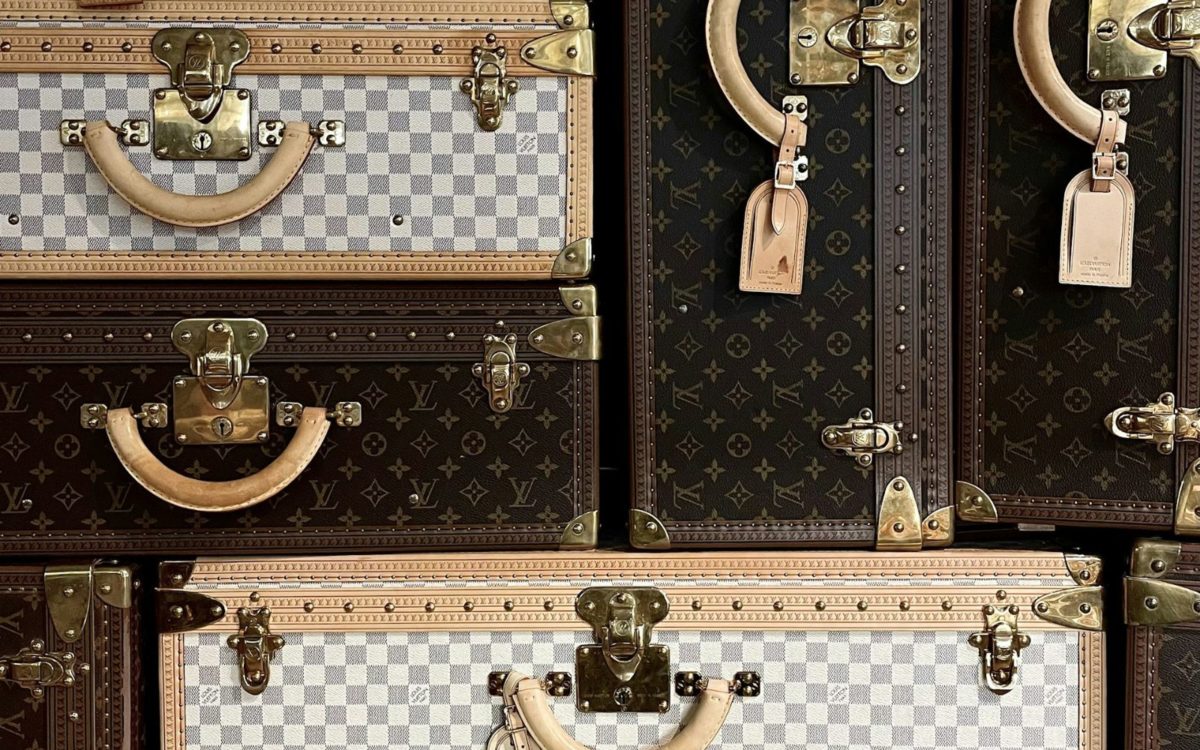
Brand value depends on quality and image. For luxury goods companies, the link between image and shareholder value is unusually tight. Negative headlines hit fast and hard.
What’s behind a name?
If brand value is image, reputation, and a track record of quality, the higher the price of the product, the more important that image is for pricing and profit. And the more susceptible to negative news which might affect that image
Supply chain risk management remains particularly complex and opaque in sectors such as luxury brands.
Supply chain management is a core determinant of long-term resilience. It shapes operational risk, cost structures and exposure to reputational and legal challenges. Globalisation brought efficiency but, as Covid-19 demonstrated, globalisation brought systemic fragility and a frightening level of opaqueness.
Imagine the difficulty of a luxury goods manufacturer in documenting its supply chain. Beyond the first-level supplier, they have little or no visibility.
What does this mean for investors in luxury goods companies?
- Luxury goods rely on image. For many, that image includes sustainability. Just look at some of the ‘sustainability’ pages on their websites.
- Yet paradoxically because of that immaculate image, consumers take ethical sourcing for granted, amplifying the brand value damage when a human rights violation is arises and is made public.
- With EU regulations coming into force in stages, traceability is possibly an even greater headache. Reputational risk through news headlines can mean swift and sharp shocks to brand and shareholder value.